

Direct answer: Power the unit off immediately, separate removable parts, and dry the exterior while avoiding charging a wet Lithium-ion battery. Start simple: many no-hit reports stem from condensation, thick oil, or a weak cell rather than permanent water damage.
We know a sudden dunk feels urgent. At SOKVAPE, we speak from repeated patterns we’ve seen. Our first step is safe triage: power down, remove the pod or cartridge, and isolate the battery. That cuts risk of short circuits and coil damage.
Next, run quick diagnostics before using heat or tools. Check airflow, contacts, and the battery indicator. A disposable, pod system, or 510 setup all count as a single device for this guide. If restoration looks unlikely, we’ll help you pick a safer replacement at t.
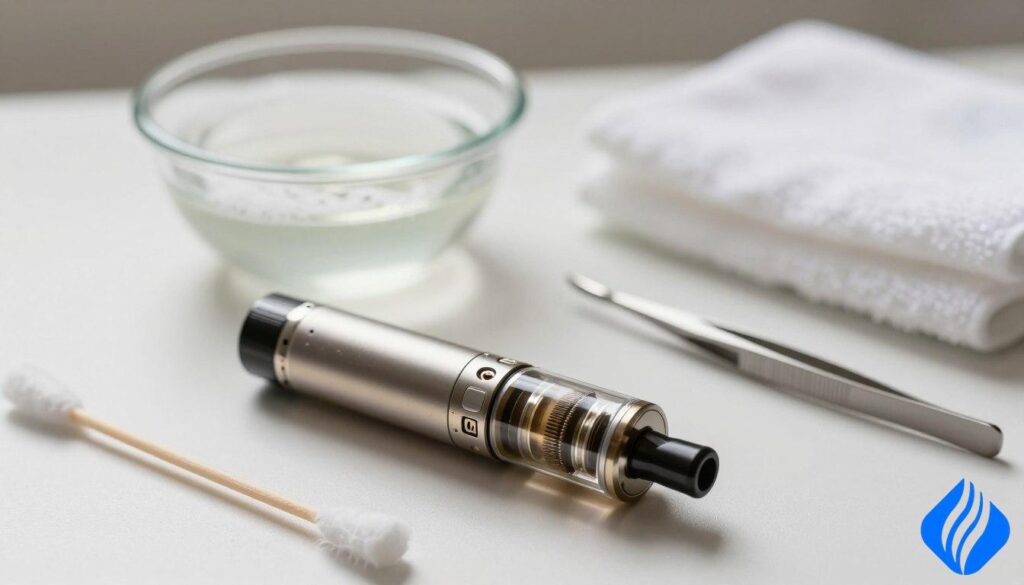
Key Takeaways
- Power off and separate parts immediately after water exposure.
- Do not charge a wet Lithium-ion battery under any circumstances.
- Many no-hit issues come from condensation or residue, not full failure.
- Follow a set diagnostic order to avoid shorts and coil damage.
- SOKVAPE offers expert tips and can help source safer gear at t.
Direct Answer: What to Do Immediately After a Vape Gets Wet
When a unit gets wet, the first minute defines whether it’s salvageable or not. Stay calm and avoid powering or using the device. We will walk you through a fast, safety-first triage.
Immediate 60‑second checklist
- Power down immediately for button models and stop inhaling. Draw-activation can fire if moisture bridges contacts; don’t risk it. Note the exact time of exposure.
- Separate the cartridge, pod, or tank from the device so water can’t wick into the center pin or airflow channels.
- Blot—don’t rub. Dry the exterior first. Forcing air or pushing cloth into vents can drive water deeper and worsen a next-day restriction.
- Stand parts upright and let gravity help. Keep the battery and cart apart while you assess corrosion risk.
- Quick fork in the road: is it likely battery failure (won’t power, erratic lights), a cart airway issue (tight draw), or simple low battery that won’t heat oil?
“Safety first: treat power sources and consumables differently.”
SOKVAPE pro‑tip: if the cart looks fine but draw feels tight, suspect an airflow restriction first. Don’t pull hard—muscle pulling can flood the chimney and make recovery harder.
Safety Warning: Lithium-ion Battery Safety After Water Exposure
A wet power cell is a serious safety risk and demands immediate, calm action. We must stress that Lithium-ion battery safety is non-negotiable after any water contact.
Why wet batteries are a no-go: Water can create internal shorts, cause rapid heating, speed corrosion on terminals, and raise the risk of thermal runaway. A compromised battery may fail suddenly and violently.
Safe isolation steps
- Remove the unit from any charger immediately.
- Power the device off and stop using it.
- Disconnect cartridges, pods, or other attachments.
- Place the battery on a nonflammable surface away from direct heat and open flames.
When to stop troubleshooting
Stop now if you see swelling, hissing, popping, excessive warmth, a chemical odor, or erratic LED behavior. At that point, do not charge or reuse the battery.
“If the battery compartment or internal board got wet, replacement is often the safest option.”
SOKVAPE pro‑tip: Even if only the cartridge got wet, keep the battery isolated until you confirm no moisture reached the contact area. Skip rice and avoid applying heat; air dry at room temperature and do not charge until the unit is fully dry and behaves normally.
Legal Disclaimer: US Travel and Shipping Rules for Vapes in 2026
Travel rules for portable nicotine gear have tightened; being prepared saves stress. We are not offering legal advice. Rules change by airline, carrier, and state in 2026. Confirm policies before you depart or ship.
TSA/FAA compliance basics
Carry batteries in the cabin. Lithium‑ion powered device components belong in carry‑on luggage and must be protected against activation and shorting. Do not pack loose cells with metal objects.
PACT Act awareness
PACT Act limits shipping of certain products. USPS and many mail‑forwarders restrict vape products and consumables, and state laws may block delivery. Check retailer and carrier policies before ordering while away.
- Power off the unit.
- Remove cartridges or pod when possible.
- Store batteries in a hard case.
- Cap the mouthpiece.
- Keep e‑liquid sealed and labeled.
| Carry‑on | Checked |
|---|---|
| Batteries allowed, protected | Generally prohibited |
| Device on board for inspection | Risk of confiscation |
| Follow airline rules | Higher safety risk |
Legal Disclaimer: Verify rules with TSA, your airline, and carriers before travel or shipment; regulations evolve.
SOKVAPE pro‑tip: Pack a small hard battery case and a mouthpiece cover in your travel kit. It prevents lint clogs and accidental activation while you travel.
How to Tell If Your Vape Is Clogged or Actually Broken
A few seconds of steady diagnosis can distinguish a block from a battery fault. Start with a no‑power check so you don’t confuse a dead cell with an airflow issue.

The quick airflow test (30‑second check)
Remove the vape cartridge or cart from the battery. Hold it upright and take a gentle pull with no activation. This isolates pure air movement.
- Complete resistance = hard blockage. Expect a solid plug or compacted residue.
- Partial resistance = minor clog. Warming or a gentle pull often helps loosen thick oil.
- Free airflow but no vapor when powered = contact, coil, or battery issue.
Visual and sound cues
Check oil level and look for rising bubbles. Bubbles often mean condensation or trapped air. If thick oil won’t move when warmed by hand, viscosity is the problem.
Listen while you gently shake the cart. Gurgling signals flooding and excess oil in the airway. Silence plus no airflow usually means a hardened plug or residue at the mouthpiece.
Next actions: flooding needs pressure reversal or gentle draining; thick oil benefits from controlled warming; free airflow with no vapor needs contact cleaning and battery checks. For step‑by‑step guidance on clearing a cart, see unclog a cart.
Why Vape Clogs Happen: Oil Viscosity, Condensation, and Chain Vaping
Sticky draws usually come from physics and habits, not instant failure. Sticky mouthpieces and tight pulls are often the result of oil meeting cold air.
Viscosity explains much. Thick concentrates behave like honey at low temperatures. When temperatures fall, oil slows and moves poorly through narrow air channels.
Condensation makes the problem worse. Vapor cools in the mouthpiece and central airway, then re‑liquefies and builds a sticky deposit that restricts airflow over time.
- Chain use: Rapid hits don’t let the coil clear. Unvaporized oil floods the airway and hardens into a plug.
- Storage and debris: Lint, pockets, or storing a unit on its side lets oil settle where it shouldn’t.
- Low battery: Weak power fails to atomize oil fully, increasing residue and the odds of clogs.
Practical takeaway: Most clogs come from oil, temperature swings, or habits. Once you know the cause, choose the least invasive fix first to protect flavor and preserve your experience.
how to clean clogged vape: Step-by-Step Fixes That Don’t Ruin Your Hardware
A cautious, stepwise approach preserves hardware and lowers risk. First, stop if the battery or bottom electronics were wet. Replace or service wet power parts—do not attempt fixes on damaged cells.
Confirm before you fix:
- Verify lights and charging behavior. A dead or erratic cell means stop.
- Check draw‑activation for unintended firing from moisture.
- Inspect contact points for visible residue or corrosion.
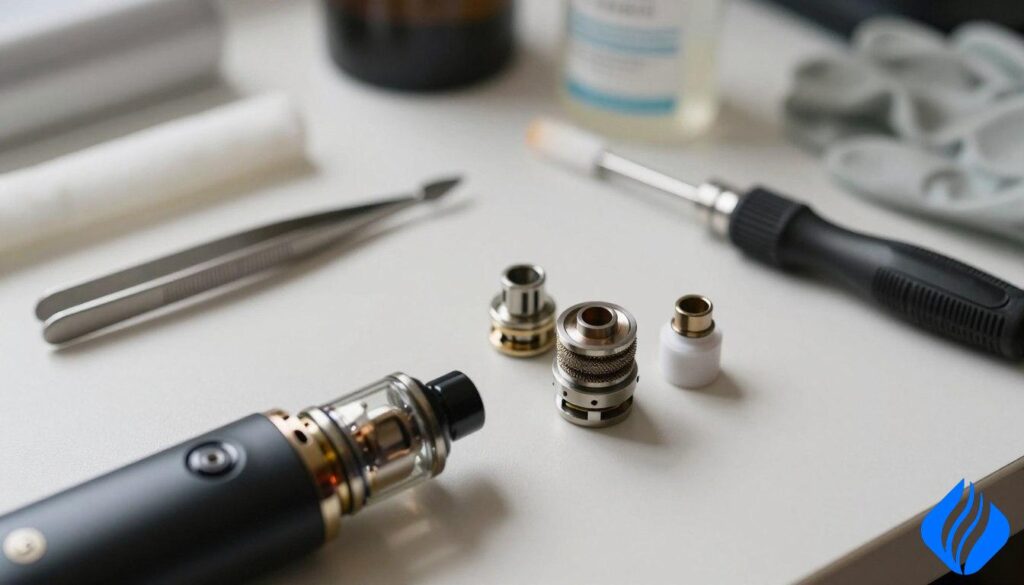
Warm-and-pull (tool-free)
- Remove the cart or cartridge from the battery.
- Roll it in your palms 30–60 seconds to reach ~95–105°F.
- Take 3–5 gentle pulls without power to restart oil flow.
- Reattach and test on a low setting.
Hair dryer method (controlled heat)
- Set hair dryer to low; hold 6–8 inches away.
- Warm in 15–20 second intervals while rotating the cart.
- Stop if it feels hot—aim for warm, not cooking to protect the coil.
Warm water bag and preheat
- Seal the cartridge in a zip bag and submerge 2–3 minutes in warm water.
- Dry fully, then use one preheat cycle (10–15 seconds) upright.
- Test with a slow draw to avoid flooding and excess oil in the chimney.
Pressure reversal, mouthpiece and manual clears
- Pro‑tip: Place a tissue near air inlets and blow gently into the mouthpiece 2–3 seconds to clear a flooded airway. Wipe expelled excess oil.
- Use a dry cotton swab for surface residue; then a lightly damp swab for stubborn spots.
- As a last resort, insert a toothpick or straightened paperclip only 1/2–1 inch. Swirl—don’t jab—and limit attempts to three.
Contacts and deep clean
- Power off. Dab a swab with isopropyl alcohol—not dripping—and clean threads and contact points.
- Allow full dry time before reassembly to avoid misfires that mimic a clog.
- Wipe mouthpiece regularly and clean every ~20 drags or when charging.
“Small, controlled fixes clear most cart restrictions while protecting coils and electronics.”
For a step‑by‑step guide on restoring cartridges, see our short walkthrough on how to clean clogged vape.
Symptoms vs. Solutions: Fast Diagnosis for Airflow, Flavor, and Vapor Issues
A quick symptom check can point us to the right fix fast. Use this as a decision shortcut. Match one clear sign with the safest action and avoid needless steps.
| Symptom | Likely cause | Recommended action |
|---|---|---|
| High resistance on draw | Blocked airway / thick oil | Warm-and-pull; gentle preheat; mouthpiece cleaning |
| Weak vapor | Low power or partial clog | Check battery, contact cleaning, then hair dryer on low |
| Gurgling / spitting | Flooded cart; excess oil in airway | Blow-through pressure reversal; wipe mouthpiece; drain excess oil |
| Burnt taste | Damaged coil or dry wick | Stop use; replace cart or coil; avoid more heat |
| Bubbles or slow oil movement | Viscosity / condensation | Warm gently (sealed bag), use a short preheat cycle |
Note: Visible oil on a cart with no vapor usually signals a clog. If symptoms suggest water in electronics or repeated misfires, power down and replace the battery or device.
“Protect flavor: high heat and excessive voltage degrade terpenes and increase residue.”
Mistakes to Avoid When Clearing a Clog or Drying a Wet Vape
Mistakes made while trying quick fixes often create bigger damage than the original issue. We focus on safety and preserving parts. Read these clear “do not” rules before you act.
Why excessive heat ruins carts and the coil
Do not use lighters, torches, or microwaves. Excessive heat can crack carts and deform seals.
It also degrades the coil and the oil. If you can’t hold a cart comfortably, you’re overheating it—stop and cool down.
Why sharp metal tools make problems worse
Aggressive tool use often punctures internal parts or pushes debris past the mouthpiece. That ruins the coil and creates leaks that mimic water damage.
Only use a paperclip as a last resort. Limit depth and swirl gently—never jab. Prefer soft, nonmetal swabs first.
“Forcing hard pulls or stabbing with metal usually floods the airway and wastes oil.”
- Avoid open flame and rapid heat spikes that crack carts.
- Don’t force a clog with violent tugs; you risk spitback and ruined parts.
- Keep tools controlled and stop at the first sign of damage to the device.
Prevent Future Clogs With Better Storage, Temperature Control, and Coil Habits
Smart storage and modest temperature control extend cart life. We focus on small habits that help prevent residue, protect oil, and cut costly repairs.
Store upright at room temperature and keep mouthpieces clean
Keep vape carts upright in a cool, dry place at 68–72°F. This prevents oil pooling and reduces pressure on seals.
Wipe the mouthpiece often and use a cap in pockets. That helps prevent lint bonding with sticky oil and forming clogs.
Use the “clear‑hit” technique and match settings to your oil
After you release the button, keep inhaling 1–2 seconds. This clear‑hit reduces condensation that creates residue in the airway.
Use the lowest effective setting for your oil. For e‑liquids, match wattage and temperature to the PG/VG ratio to avoid flooding or dry hits.
Coil Priming, Mesh Coils, and quality gear
Coil Priming: saturate the wick, take a few unpowered pulls, and wait before first fire. This lowers burnt taste and buildup.
Mesh Coils heat evenly, cut hot spots, and reduce caramelization of oil. Choose quality products and well‑designed airflow for longer life.
Pro‑tip: Keep a small battery case and a mouthpiece cover for your pen when traveling. It protects contacts, reduces pocket lint, and helps prevent future clogs.
Conclusion
A clear, safety-first wrap-up keeps risks low and your oil tasting fresh. Isolate wet batteries first, then run a quick diagnosis of airflow, visual signs, and sound before applying any heat.
Start with the least invasive fixes: warm-and-pull, a short preheat, hair dryer on low, or the gentle blow-through trick for a flooded cart or cartridge. Stop immediately if you taste burning or see coil damage.
Prevention: store upright, keep mouthpieces clean, match settings to oil, and use a clear-hit habit. For parts and accessories that match your use, we can point you toward suitable products at t; see our maintenance guide maintenance guide.
FAQ
Q: What should I do first after liquid exposure?
A: Power off and isolate the battery; separate the cart or cartridge and let parts air dry.
Q: When is a battery unsafe?
A: If it swells, heats, hisses, or shows erratic lights—stop and replace it.
Q: Which quick fixes work best for airflow issues?
A: Warm-and-pull, controlled preheat, and low hair-dryer cycles preserve coil life.
Q: Can most cart problems be fixed at home?
A: Many are solvable, but water in the power section is a hard stop for safe use.
Q: Where can I find parts and care advice?
A: Check product pages and maintenance resources for gear that matches your oil and usage.
 English
  German
  Dutch
Dutch  Danish
  Czech
Czech  Italian
  Slovenian
  French
  Hungarian
  Spanish
  Polish