

We present a clear, safety-first guide for US adults 21+. This piece previews device ID, step-by-step filling, 2026 specs, and hands-on testing near 5,000 puffs.
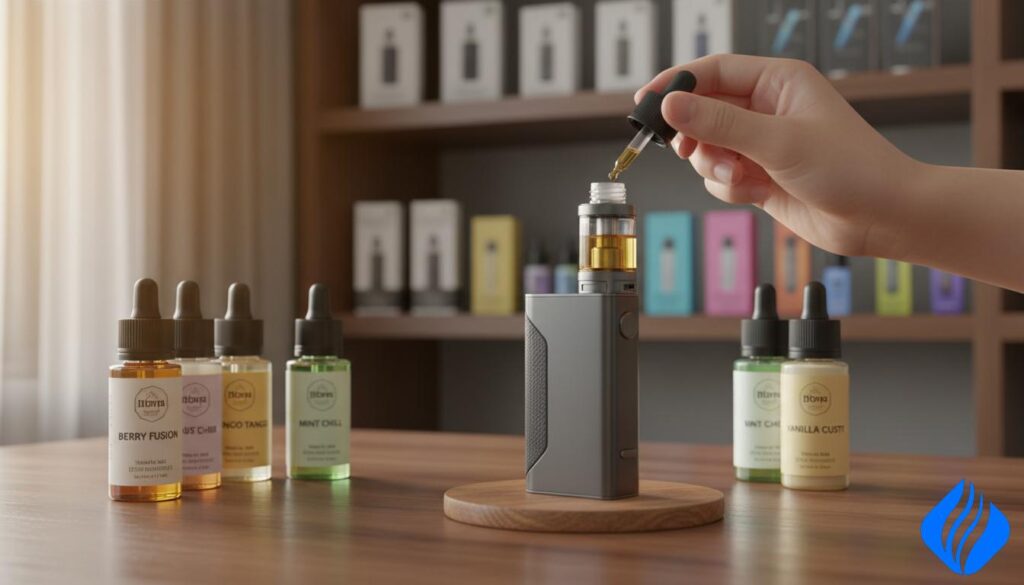
We define what refilling means across pods and tanks, and why each family needs its own method. Our process cuts leaks, coil flooding, and burnt hits through correct technique.
Expect practical coverage: locating the fill port, filling to the right level, priming, wait times, and post-fill checks. We stress a clean workspace, safe e-liquid handling, and avoiding force on seals or threads.
We also look at 2026 tech: battery mAh, e-liquid capacity (ml), nicotine salt strength, mesh coils, and USB‑C. These specs shape day-to-day usability and refilling habits.
Responsible use: nicotine can be addictive. Keep products away from children and pets. Do not ingest e-liquid. Nicotine warning: This product contains nicotine. Nicotine is an addictive chemical.
Key Takeaways
- We show device ID, fill port location, correct fill level, priming, and checks.
- Safe setup and gentle handling reduce leaks and damaged seals.
- 2026 specs affect refill frequency and charging needs.
- Hands-on testing (≈5,000 puffs) informs flavor, throat hit, and coil life.
- Compare disposable versus refillable designs for performance and cost.
- Products are for adults 21+; nicotine is addictive and hazardous if misused.
Before You Refill: Identify Your Device Type and Avoid Messy Leaks
We begin with a simple check that prevents spills and ruined coils. Confirm whether your unit is an open-system pod or a sealed, closed-system product. Only open-system pods and tanks are intended for manual filling.
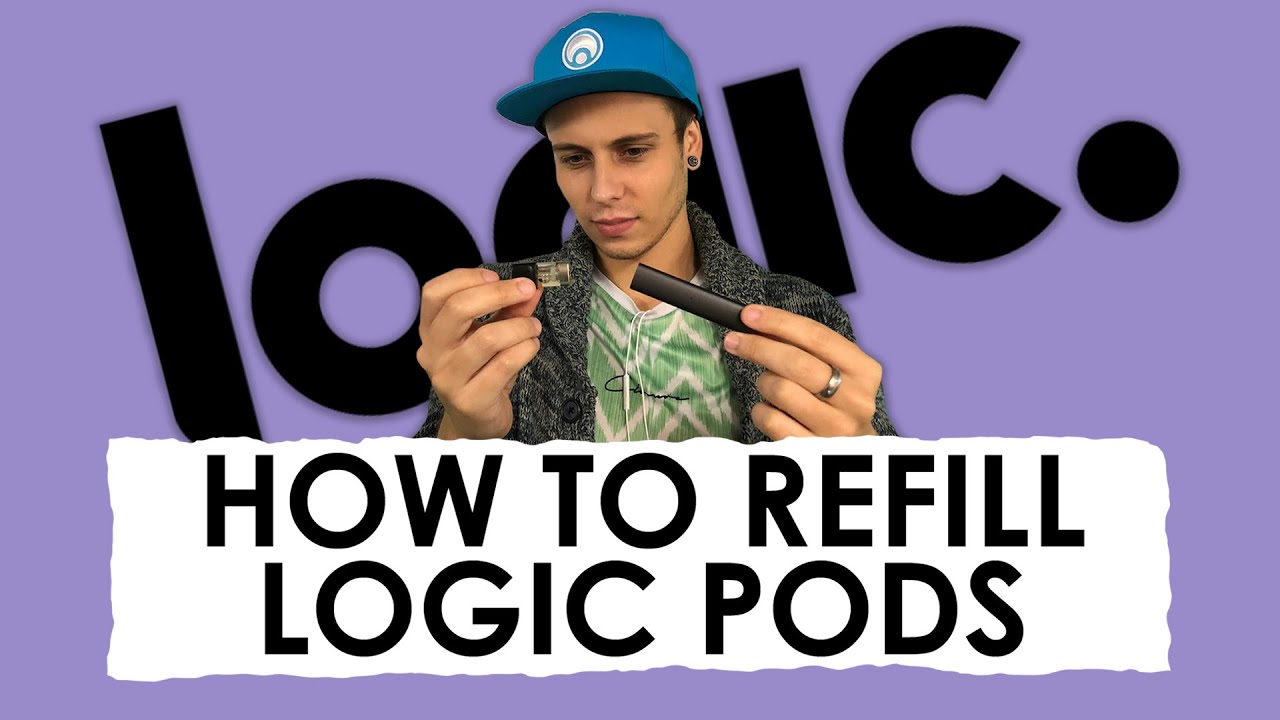
Open-system vs closed-system
Open-system units show a visible silicone plug or removable mouthpiece. Closed-system pods are sealed and usually disposable; attempting filling will cause leaks and poor performance.
Where the fill port lives
Ports appear on the side, top, or bottom. Some pods use a snap-off mouthpiece to expose the opening. Port location matters: side and top fills reduce splashback, while bottom fills may require partial disassembly.
Quick pre-checks and liquid match
Inspect for hairline cracks, tank glass damage, and worn O-rings. Check threads gently to avoid cross-threading on tanks. Match e-liquid viscosity to the coil—balanced blends (roughly 50/50 VG/PG) cut both flooding and dry hits.
Note: Warm liquid expands and can push out of imperfect seals. If leaks persist after careful filling, the issue is usually a damaged seal or plug, not the juice.
How to Refill a Vape the Right Way
We follow a compact, device-specific workflow that keeps coils saturated and leaks rare.
- Power off and remove the pod or tank. Work on a clean surface and handle parts with dry hands.
- Find the fill port. Open the silicone plug on a vape pod or use the top cap (unscrew or slide) on a vape tank.
- Fill slowly. For pods stop around 90% to keep an air pocket. For tanks fill to the marked line; avoid pouring down the central chimney.
- Prime the coil. Place one small drop per cotton hole on exposed wicking ports before assembly.
- Reseal and wipe. Press the plug flush or snap the mouthpiece evenly. Remove stray liquid from the base and contacts.
- Wait upright. Let a used coil sit 2–3 minutes. New coils or pods need ~5–10 minutes for full saturation.
“Incomplete closure is the most common cause of leaks.”
Troubleshoot: if gurgling or leaking appears, stop, check plugs and threads, and confirm you did not overfill. Gentle handling prevents damage and extends coil life.
Prevent Burnt Hits and Flooding: Small Adjustments That Make a Big Difference
We recommend a few simple habits that protect coil life and stop flooding before it starts.
Leave a small air bubble. That tiny pocket allows expansion and pressure balancing. It prevents e-liquid from being forced out through seals or airflow channels during temperature or altitude changes.
Why the air pocket matters
A small air gap absorbs pressure shifts. That reduces leaks at the mouthpiece and base. It also lowers the chance of liquid pushing into the chimney.
Overfill risks and signs
Define overfill operationally: filling beyond the visible max line on tanks or beyond ~90% in pods often pushes liquid into the chimney and floods the coil.
Listen for gurgling, spitback, or weak vapor despite normal battery output. Those are clear signs of flooding.
When to top up
Top up early. Refill when the level reaches about 1/4 rather than running a pod bone dry. Low levels can leave the wick un-saturated and cause burnt hits.
“Running a pod too low shortens coil life and wastes e-liquid.”
- If flooding occurs, stop and check the fill level and seals.
- Let the unit sit upright for several minutes so excess can rebalance.
- If burnt notes persist, replace the coil—refilling won’t restore scorched wick performance.
| Issue | Cause | Quick fix |
|---|---|---|
| Gurgling / spitback | Overfill or liquid in chimney | Remove pod, wipe chimney, let sit upright |
| Weak vapor | Flooded coil or low battery | Check level, dry contacts, allow wick to re-saturate |
| Burnt taste | Wick dried and scorched | Replace coil; top up at ~1/4 level to prevent repeat |
Good habits improve puffs-per-dollar. Topping up early and keeping that air pocket reduce wasted e-liquid and extend coil life. For persistent leak diagnostics, see our guide on why is my device leaking.
Core Technical Data to Know in 2026: Specs That Affect Refilling and Performance
We present the key specs that change refill cadence, reliability, and safety in everyday use.
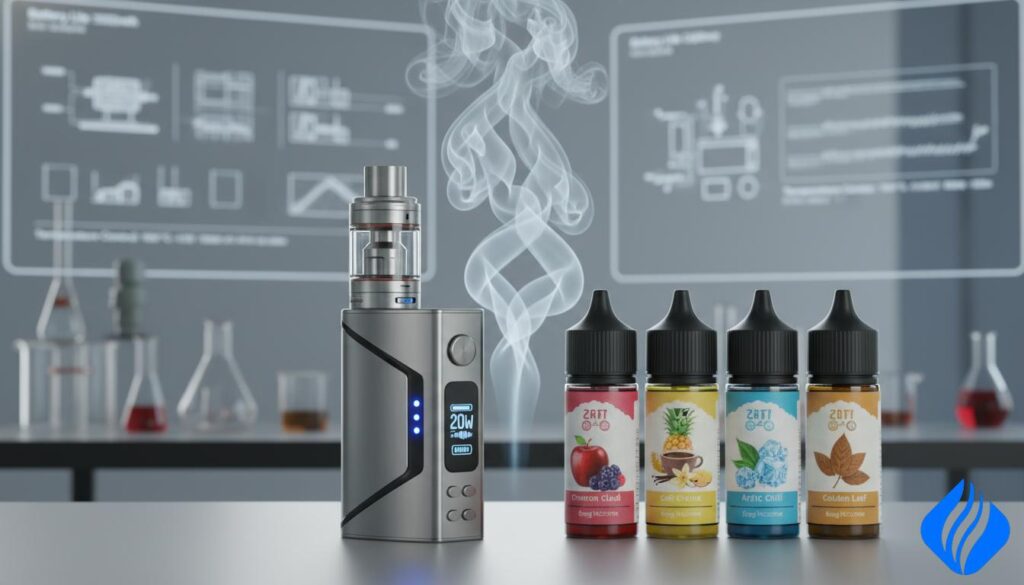
Battery (mAh) dictates runtime. A 600–1,200 mAh kit lasts a day for medium use. Larger 2,000 mAh packs extend time and reduce mid-day topping. If the battery dies before your tank is low, you face awkward mid-fill interruptions and higher spill risk.
E-liquid (ml) and puff style matter. Typical refillable pods run 2–6 ml. MTL users burn less liquid than open-air DTL users. Bigger reservoirs mean fewer openings and fewer seal failures.
Nicotine, coil, and charging basics
- Nic salts: 2% (20 mg) vs 5% (50 mg). Higher strength can lower puff frequency and change refill rhythm.
- Coil: mesh vs dual mesh — mesh offers steady flavor and faster wicking; dual mesh gives stronger vapor but demands consistent liquid supply.
- USB‑C: modern kits with USB‑C charge faster and more safely. Use quality cables, avoid unattended charging, and keep ports dry.
“Match battery and tank size to your puff profile; it reduces sloppy refills and preserves coil life.”
| Spec | Typical 2026 Range | Refill impact |
|---|---|---|
| Battery (mAh) | 600 – 2000+ | Higher mAh → fewer charge interruptions; alignment with tank size reduces spill risk |
| E-liquid (ml) | 2 – 6 ml (refillables) | More ml → fewer openings; suited for high-output use |
| Coil type | Mesh / Dual mesh | Dual mesh needs stronger wicking; mesh balances flavor and saturation speed |
| Nic salt strength | 2% / 5% | Higher % reduces puff count, alters refill frequency |
| Charging | USB‑C standard | Stable charging supports consistent device performance |
Reference devices: Geek Bar, Lost Mary, and Raz typically list 5% nic salt, mesh coils, and many rechargeable models feature USB‑C. Always verify ml and mAh on the box before you choose a kit or plan refill habits.
For practical technique and inhalation pointers, see our short guide on how to hit a vape.
Hands-On Testing Insights: Throat Hit, Vapor Production, and Flavor After 5000 Puffs
We ran extended, hands-on testing across common pods and tanks and tracked feel, vapor, and taste through roughly 5,000 puffs. Our method logged sensory shifts, leak behavior after refills, and coil wear over time.
Smooth versus strong throat hit
2% nic salts delivered a smoother, more forgiving throat hit for longer sessions. 5% nic salts felt stronger and showed harshness sooner when the coil was under-saturated or near end of life.
Vapor production and coil style
Mesh coils gave steady vapor and even flavor early. If wicking lagged, we saw dry-edge harshness faster. Balanced airflow kept vapor stable; too much airflow with poor wicking increased dryness and weak clouds.
Flavor curve and refill interactions
Flavor began clean and bold, then softened after extended use as residue builds on the coil. Refilling immediately after a top-up often caused early-session dryness. Overfilling produced gurgle and condensation that mimics leaking.
Refill performance red flags
Actionable signs: persistent muted flavor, burnt notes that don’t clear after rest, recurring gurgling at correct fill level, and liquid at seals after wiping. If burnt taste appears after correct priming and wait minutes, replace the coil—continuing the process wastes e-liquid and shortens device life.
“Cleaning contact points and keeping pods and tanks upright between sessions improves consistency and reduces false leak reports.”
For practical priming steps, see our guide to prime a coil.
Disposable vs. Refillable Comparison: Puffs per Dollar and Flavor Consistency
We weigh convenience against long-term value by tracking cost, flavor, and maintenance needs.
Puffs per dollar: realistic math
Start with real costs: device price + replacement pods or coils + e-liquid. Divide that total by your expected puff count. Use your personal pace, not the marketing number.
Flavor consistency and coil reality
Disposables (Geek Bar, Lost Mary, Raz) include coil and juice. Flavor is steady until near end-of-life. That removes coil maintenance as a variable.
Refillable kits depend on coil condition, wicking health, and correct liquid viscosity. Poor priming or overfill leads to flooding, gurgle, or burnt notes that change taste and raise cost per puff.
“Maintain coils and follow fill best practices for the best value and steady flavor.”
| Option | Typical cost factors | Flavor stability |
|---|---|---|
| Disposable (Geek Bar / Lost Mary / Raz) | Single purchase; replace when done | Consistent until end-of-life |
| Refillable pod/tank kit | Device + e-liquid + coils/pods | Variable; improved with good maintenance |
| Decision note | Check mAh, ml, nic % on packaging | Refillables win long-term if coils are managed well |
Choose disposables for travel and low fuss; choose refillable kits for customization, less waste, and lower ongoing cost when you follow proper technique. Browse convenience options at Disposable Vapes, deals at Hot Sale, or brand shortcuts at RandM and Bang. For refill pulse specifics and safety tips see this guide: Geek Bar refill/process tips.
Conclusion
Conclusion. We offer a short checklist and final safety notes so readers leave confident and informed.
Quick checklist: identify device type; locate the fill port; fill slowly to ~90% for pods or to the marked line for tanks; leave headspace; reseal, wipe contacts, wait 5–10 minutes, then use the device.
Key levers: correct fill level prevents flooding. Adequate saturation time prevents burnt hits. Recurring leaks usually trace to a worn plug, O‑ring, cracked pod, or damaged tank glass—fix seals before continued use.
User FAQ
Empty? Check visible liquid. Muted flavor or dry draw means stop and refill; don’t run pods bone dry.
Recharge safely? Use the correct USB‑C cable, a trusted low‑power adapter, charge on a non‑flammable surface, keep ports dry, and avoid unattended charging.
Authentic? Scan the package QR code and verify via the retailer or start at Contact Support for SokVape verification.
Responsible use: For US adults 21+ only. Nicotine warning: This product contains nicotine. Nicotine is an addictive chemical.
 English
  German
  Dutch
Dutch  Danish
  Czech
Czech  Italian
  Slovenian
  French
  Hungarian
  Spanish
  Polish