

We present a clear, safety-first guide for adults (21+). Our goal is to describe observable, noninvasive cues that signal recent or regular vaping. We focus on patterns, not single moments.
Practical cues help when direct observation is absent. Small traces across rooms, pockets, and routines add up. We explain what those traces look like and what they mean for assessment and safety.
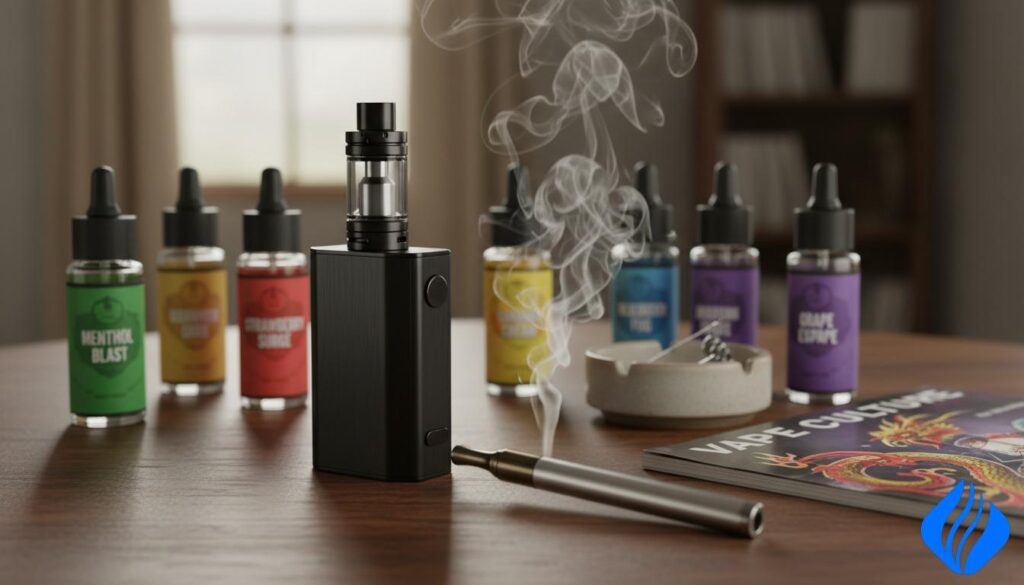
Later sections cover hands-on testing notes, technical specs (mAh, ml, %, coil type, USB-C), competitor comparisons (Geek Bar, Lost Mary, Raz), QR authenticity checks, and safe handling and recharging.
Nicotine warning: Nicotine is addictive and can harm health. We give a brief pointer here and expand full safety details in Section 2 and the FAQ.
We also outline evidence categories: environmental clues, objects, physical symptoms, and behavior changes. One small clue is weak. Multiple, consistent signs across places raise confidence. Privacy and trust matter, especially with teens. We prioritize de-escalation and factual assessment.
Key Takeaways
- Look for patterns of residue, scent, and device presence rather than a single cue.
- Vaping shows physical, environmental, and behavioral indicators.
- We include technical ID checks and brand comparisons later.
- Nicotine carries health risks; full safety guidance follows in Section 2.
- Respect privacy and avoid unsafe confrontations; prioritize help over punishment.
Why vaping can be hard to spot in the US right now
Modern devices and changing youth trends make detection less straightforward today. National data show declines, yet rates remain meaningful in schools. The CDC 2024 survey found tobacco product use among high school students fell from 12.6% to 10.1%. NIH 2022 data show 14.2% of 10th graders and 20.7% of 12th graders reported recent nicotine vaping.
Youth context and parental concern
Those numbers explain why families still watch for teen vaping. Small, disposable e-cigarettes and discreet patterns mean fewer obvious clues during school hours or at home.
Why vapor and scents fade faster than cigarette smoke
Vape aerosol uses liquid droplets that evaporate quickly. Sweet or fruity smells often vanish in minutes. By contrast, cigarette smoke lingers and soils fabrics.

Nicotine warning and safety note before investigation
Nicotine is addictive and harms developing brains. We urge a safety-first approach: ventilate spaces, avoid tasting unknown liquids, do not puncture batteries, and use gloves when handling suspect products.
| Feature | Vape aerosol | Cigarette smoke |
|---|---|---|
| Lingering smell | Faint; dissipates fast | Persistent; noticeable over time |
| Visible cloud | Short-lived, small | Thicker, longer-lasting |
| Device size | Small, pocketable | No device required |
| Nicotine concentration | Often high (salts) | Variable in tobacco |
For technical symptoms like cough and irritation, our linked guidance explains more on acute reactions at why vapes make me cough.
How to tell if someone vapes at home, in a bedroom, or in a car
Small, repeatable traces in a room often say more about vaping than a single momentary scent. We focus on practical, noninvasive observations you can make across bedrooms, bathrooms, and vehicles.
Smell clues that don’t match the space
Flavored nicotine products can leave a sweet, candy-like scent that vanishes quickly. A lingering burst of air freshener after that scent appears is a common cover move.
Marijuana cartridges often smell acrid or skunk-like. Note when dessert or bubble-gum aromas appear with no obvious source.
Vapor and residue signs people forget about
Short-lived mist indoors may be gone in minutes, but residue can remain.
Check mirrors for a faint film, vents for sticky dust, and car windshields for a greasy layer that builds from repeated use.
Bathroom routines and sudden habit changes
Long, hot showers at odd times, towels jammed under doors, or fans running much longer than usual can be cover strategies.
Also watch for abrupt privacy requests, brief outdoor breaks, or frequent searching for a small device.
Packages, online purchases, and unusual deliveries
Small, repeated parcels from unknown brands or odd USB cables bundled with tiny boxes suggest vape products or chargers. Monitor delivery patterns without opening packages.
“We prioritize safety: do not open unknown containers, do not charge unknown batteries, and avoid confrontation while someone may be impaired.”
| Location | Common signs | Action to take |
|---|---|---|
| Bedroom | Fruity scent with no source; faint film on mirror | Note timing and frequency; ventilate room |
| Bathroom | Extended showers; towels under door; fans on | Observe routine changes; avoid opening containers |
| Car | Greasy windshield film; sweet odor in upholstery | Check windshield area; air out vehicle |
Devices and supplies to look for
Rechargeable sticks and pen-style products frequently masquerade as routine electronics. We catalog common clues and safe handling steps so you can assess evidence without risk.
Common disguises and visible cues
Many small units resemble slim pens or USB-drive shapes. Look for a mouthpiece seam, tiny airflow holes, and charging contacts or a port.
Signs: loose rubber plugs, spare pods, empty blister packs, and boxes that don’t match other electronics.
Chargers and accessory patterns
A sudden USB-C cable or a wall brick kept separately can indicate a rechargeable disposable or pod system. Unfamiliar cords, car adapters, or single-purpose chargers are notable.
Cartridges, pods, and concentrate containers
Evidence includes labeled pods, small e-liquid bottles, atomizers, and cartridges with yellowish-brown oil common in marijuana concentrates.
Handling note: do not taste e-liquid, avoid skin contact with unknown oils, keep found items away from children and pets, and do not puncture batteries.
| Item | What to look for | Why it matters |
|---|---|---|
| Pen-style units | Seam at mouthpiece, airflow holes | Common form factor for many vaping devices |
| USB-like sticks | Flat body, charging contacts | Easy to hide; often rechargeable |
| Cartridges / dab jars | Yellow-brown oil, small lip-balm jars | May indicate marijuana concentrate rather than tobacco |
Safe containment: store found items out of reach, do not power them on, and dispose of lithium batteries at approved drop-off points.
Physical signs and symptoms that may indicate vaping
Observable changes in basic physical signs may indicate exposure to vape aerosol or nicotine. We present these as possible indicators, not diagnoses. Seek medical evaluation for severe or persistent problems.
Dry mouth, thirst, and dehydration cues
Propylene glycol and other chemicals in e-liquid can dry the mouth and nasal tissues. New, frequent water use or dark circles under eyes can be a clue.
Nosebleeds and throat irritation
Nasal dryness may cause occasional nosebleeds. A sore throat or hoarse voice after short exposures is common. Multiple causes exist, so treat this as one data point.
Respiratory red flags
Persistent cough, shortness of breath, or chest discomfort affect the lungs and merit urgent care. These are not for casual assessment.
Sleep, headaches, dizziness, and stimulant effects
Nicotine can disrupt sleep, raise heart rate, and cause headaches or lightheadedness. Mood shifts and jittery energy may follow, especially with high nicotine levels.
Oral changes and taste loss
Watch for mouth sores, dry lips, or vaper’s tongue—a temporary loss of taste. This can lead to craving stronger flavors.
Marijuana-specific signs
Bloodshot eyes, slowed reactions, and impaired coordination are more typical with marijuana vaping. If impairment is present, prioritize safety and delay confrontation.
For parent-focused guidance on teen signs, see nine signs for teens.
Behavior changes and social signals that point to vaping
We watch routine shifts. Caregivers often notice frequent short breaks, bathroom trips with a phone, or frantic searches for a “lost” item. These actions can match concealment of a small device or pod.
Patterns to observe
Behavior patterns include repeated brief departures, sudden secrecy about friends, and dropping activities once enjoyed.
Mood and withdrawal signs
Irritability, restlessness, and headaches can cluster between uses. These mood shifts may reflect nicotine cycles rather than simple attitude changes.
Text slang and social cues
Watch for terms like “VG,” “atty,” “nic sick,” “sauce,” or “taking a rip.” Treat a single message as a clue, not proof. Read context before raising concerns.
When friends and routines change
A teen who swaps long-time friends or avoids family events may be seeking new peer groups tied to use. Combine social signals with physical or environmental signs before acting.
“We suggest calm, repeated conversations focused on health and safety rather than punishment.”
| Signal | What it may mean | Suggested action |
|---|---|---|
| Frequent short breaks | Concealed use pattern | Note timing; ask open questions |
| Irritable mood swings | Possible nicotine withdrawal | Offer water, rest, and medical check |
| Slang in messages | Possible product discussion | Discuss language calmly; seek help if concerned |
For medical or allergy concerns related to products, see allergic reactions and vaping. We recommend primary care, counseling, and consistent, reasonable consequences if needed.
What the vape product itself can tell you
We inspect core technical data first. Basic specs explain capacity, longevity, and likely user habits. Read labels and printed puff counts, then confirm with a quick hands-on check.
Core technical checklist
- Battery (mAh): common values 500–1000mAh.
- E-liquid (ml): typical disposable 10–20ml.
- Nicotine strength: 2% or 5% nic salt.
- Coil type: Mesh coil or Dual mesh.
- Charging port: USB-C noted on most rechargeables.
Hands-on testing insights
We assess activation sensitivity, airflow (MTL vs restricted DTL), vapor output, and throat hit.
Our tests found smooth hits on mesh coils and stronger hits on dual mesh. Flavor often stays sharp early, then flattens after roughly 5000 puffs. Cooling agents may taste harsher with time.
Quick comparisons and safety
| Metric | Main product (example) | Geek Bar | Lost Mary |
|---|---|---|---|
| Battery | 650mAh | 650mAh | 700mAh |
| E-liquid | 15–18ml | 13ml | 16ml |
| Nicotine | 2% or 5% | 5% | 5% |
| Puffs per $ (example) | ~8 puffs/$ | ~7 puffs/$ | ~9 puffs/$ |
Flavor consistency: Raz often outperforms on long-run taste stability due to dual mesh and wicking design. That matters after prolonged vaping time and high puff counts.
“Verify authenticity by scanning the QR and confirming on sokvape.com.”
FAQ — practical answers.
- Empty signs: sharp taste change, low vapor, blinking LED.
- Recharge safely: use a proper USB-C cable, stable charger, never charge damaged batteries, do not leave charging unattended.
- Authenticity: scan the QR, confirm on Sokvape and check packaging print and scratch codes.
We link verified listings for spec checks: Disposable Vapes, Hot Sale, RandM, and Bang.
Safety note: Nicotine poses addiction risks. Handle unknown cartridges and batteries with care and keep them away from children and pets.
Conclusion
Our conclusion emphasizes pattern-based assessment and health-forward actions for families and caregivers.
Look for a consistent pattern across environment, objects, physical changes, and behavior over time. That blend of clues gives better certainty than a single momentary scent.
Keep safety first: do not handle unknown liquids, avoid charging damaged batteries, and treat found products as potentially high-strength or THC-containing items.
Document what you observe, pick a calm moment for a respectful conversation, and offer help or professional support when needed. For practical detection pointers, see this short signs guide, and for safe product handling and basic use notes consult practical tips.
Escalate when health concerns appear: persistent cough, shortness of breath, chest discomfort, severe dizziness, or clear impairment require medical attention. Vaping may be marketed as cleaner than tobacco, but real risks and consequences remain. We prioritize informed action, not confrontation.
 English
  German
  Dutch
Dutch  Danish
  Czech
Czech  Italian
  Slovenian
  French
  Hungarian
  Spanish
  Polish