

Quick answer: reports note potential presence of fentanyl in some vape-type products, most often linked to counterfeit or tampered cartridges rather than regulated nicotine disposables.
Nicotine warning: This article discusses nicotine products. Nicotine is an addictive chemical. Adults 21+ only.
Law enforcement, probation staff, and school officers have documented cases where illicit THC carts and altered cartridges carried traces of fentanyl. Because this opioid ranks far higher on potency scales than heroin, tiny exposure can cause rapid, severe harm during a routine session.
We define terms up front: by vape we mean regulated nicotine devices and prefilled cartridges. By vape cartridges we mean often-illicit THC carts linked to most contamination reports. Later sections will cover sourcing from trusted channels, authenticity checks (QR verification and sokvape.com pathways), plus hands-on testing focused on puffs per dollar and flavor consistency.
We cannot guarantee any product content without lab testing. What we can do is explain the strongest risk signals, overdose signs, immediate responses (call 911, naloxone), and safer buying practices supported by public reports and agency warnings.
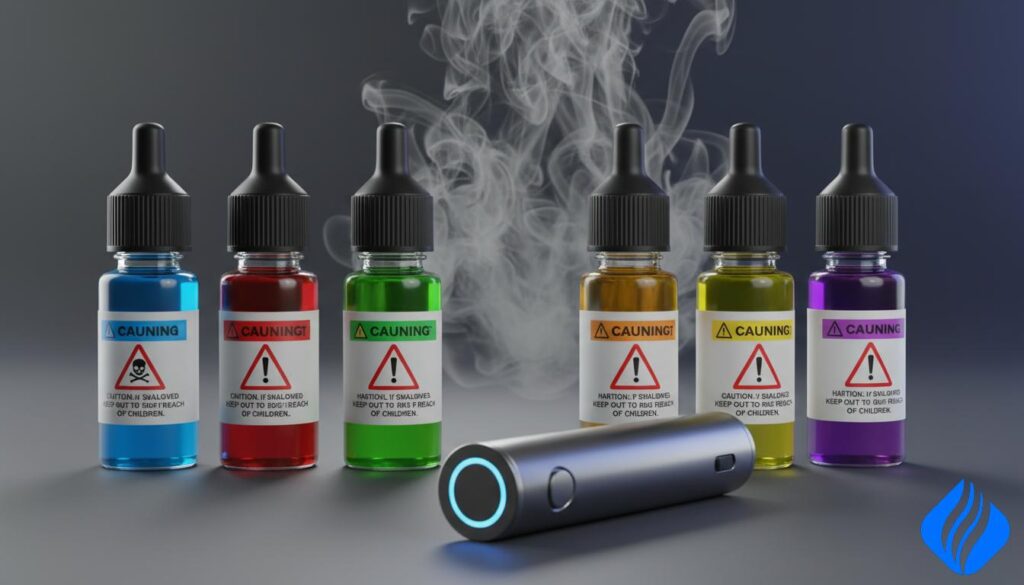
Key Takeaways
- Reports tie opioid contamination mainly to counterfeit or tampered cartridges, not regulated nicotine disposables.
- Inhalation speeds onset; tiny doses can become life-threatening quickly.
- Learn signs of overdose and act fast: call 911 and administer naloxone if available.
- We will review authenticity checks, QR routes, and testing methods to reduce exposure risk.
- For deeper context and source citations, see our referenced resources and public reports: evidence and warnings.
Why fentanyl in vapes is a growing U.S. concern
We recognize this as a public-health issue driven by potency, delivery route, and illicit supply chains. Fentanyl is a synthetic opioid used medically, but illicit forms carry major harm because effective doses are tiny.
Technical note: the compound registers roughly 50× the potency of heroin and 80–100× morphine. That compression of dose makes even trace contamination dangerous for people without tolerance.
Vaping changes the exposure timeline. Aerosolized particles reach the lungs and move to the bloodstream quickly. That shortens the gap between an inhaled dose and respiratory depression, raising urgency for recognition and response.
Frequent puffing, deep inhalation, and repeat draws common with nicotine use multiply the chance that a single contaminated cartridge will deliver a clinically meaningful dose.
“Rapid lung-to-blood absorption means symptoms can appear within minutes, reducing the window for effective intervention.”
Who faces higher risk? Teens, first-time users, and buyers from informal sellers top the list. Counterfeit or repackaged products often lack quality controls and may be altered to increase potency or mimic brand labels.
- Prevention: prefer regulated, branded sources and verify items when possible.
- Check authenticity: use QR checks and trusted lookup routes like our guide to ingredient questions at what vapes have diacetyl.
- Act fast: know overdose signs and call emergency services immediately.
Is there fentanyl in vapes? What the evidence says
We base conclusions on documented reports, not rumor. Multiple official notices and local incident logs link opioid traces to some counterfeit cartridge supplies. These events cluster around unregulated supply chains rather than licensed retail channels.
Reports from law enforcement, schools, and probation programs
Law enforcement seizures, school incidents, and probation monitoring have all recorded isolated detections. Agency advisories cite specific cases and dates spanning recent years.
Where it shows up most often
Counterfeit THC cartridges account for most published detections. Tampered nicotine devices appear less often but can be repackaged or altered.
Why detection proves difficult
Cartridges lack visible markers that reveal contamination. Labels and branding can be forged. Rapid, reliable testing usually requires lab analysis or biological sampling after exposure.
How the illicit market drives unpredictable potency
Low-cost adulteration and ad hoc mixing produce inconsistent product strength. That variability raises overdose risk. The best consumer action is clear:
- Avoid unregulated sources.
- Prefer traceable, branded products and verified manufacturers.
- Seek emergency help and treatment if opioid exposure is suspected to improve recovery rates.
How fentanyl affects the body when inhaled
Breath-based delivery sends compounds to circulation fast, compressing the time before serious effects emerge. We present the medical mechanism and practical signs to watch for.
Respiratory depression and rapid overdose timeline
Core mechanism: inhaled opioid depresses the central nervous system and can suppress the drive to breathe. Reduced respiratory effort lowers oxygen transfer to the blood and vital organs.
Timeline: aerosolized delivery reaches circulation within minutes. Symptom onset can be fast enough that a person may not recognize danger before breathing slows or becomes irregular.
How potency translates into real-world overdose risk
High potency compresses safe dosing margins. Casual “one more hit” behavior can push exposure into overdose territory without warning.
- Watch for slowed or irregular breathing, rising sedation, or confusion.
- Progression can lead to loss of consciousness and fatal respiratory failure.
- Medical fentanyl is dosed precisely; illicit exposure is uncontrolled and unpredictable.
Actionable guidance: if opioid effects appear after vaping, treat as a medical emergency. Call 911 and use naloxone if available. For sourcing and authenticity guidance see our can vapes be laced resource.
Signs a vape may contain fentanyl and what overdose looks like
A fast decline in alertness or breathing after using a cartridge should prompt urgent action.
Red-flag signs include slow or shallow breathing, heavy sedation, dizziness or disorientation, and a slow pulse or low blood pressure.
Appearance of the device offers no reliable clue. A cartridge that looks normal can still cause severe effects. Focus on symptom recognition for rapid response.
When loss of consciousness becomes an emergency
Loss of consciousness or inability to wake a person is a medical emergency. Do not let someone “sleep it off.” Treat reduced consciousness as urgent.
Immediate steps to take
- Call 911 immediately.
- If available, give naloxone (Narcan) per product instructions.
- Provide rescue breaths if trained and the person is not breathing normally.
- Stay with the person and report exactly what was used when responders arrive. Additional naloxone doses may be needed.

Secondhand exposure: expert perspective
Experts say casual secondhand vapor exposure is unlikely to cause an overdose. Still, leave the area and seek medical help if symptoms develop. When unsure, treat the event as an opioid emergency because delays raise fatal risk.
For guidance on product risk and verification, see our resource on can vapes be laced.
Harm-reduction shopping: avoiding counterfeit vapes and choosing regulated nicotine products
We define harm-reduction shopping as controlling the supply chain to reduce counterfeit exposure. Where you buy matters as much as what you buy.
Avoid these sources. Social media sellers, street-market stalls, repackaged carts, and unbranded hardware often lack quality controls. These channels carry higher risk because contents can be unknown or altered.
Why risk rises: the illicit market has no enforceable ingredient standards. Nicotine liquid or cartridge substance may be tampered with or mixed with concentrated compounds. That unpredictability elevates harm for casual users.
Authenticity checks: practical workflow
Follow a short verification flow before use:
- Inspect packaging: look for intact seals and consistent branding.
- Scan QR code on the box or label. If scanning fails, treat the unit as suspicious.
- Verify via manufacturer/retailer: use the QR path or the sokvape lookup route (check via the Google URL pathway pointing to sokvape.com) to confirm serials and batch info.
- If verification fails, do not use the product and seek help from a trusted retailer or regulatory authority.
Authenticity checks reduce risk but do not replace lab testing. If packaging looks altered or the QR code is missing, consider that a red flag.

| Purchase Channel | Risk Signals | Recommended Action |
|---|---|---|
| Social media sellers | Unbranded packaging, no batch codes, seller anonymity | Avoid; purchase from regulated outlets or verified retailers |
| Street market / informal vendors | Repacked carts, inconsistent labeling, low price | Do not buy; report suspicious sellers to local agencies |
| Licensed retailers / verified online stores | Clear labeling, QR codes, traceable batch numbers | Prefer these channels; verify using QR and sokvape lookup |
For safer browsing, explore regulated categories like Disposable Vapes and current deals at Hot Sale. For more on product risk and verification, see our guide on can vapes be laced.
Hands-on testing notes and core technical specs for popular disposables
We ran practical checks to link specs with predictable performance and safety signals.
Main product spotlight: RandM disposable vape
We used a RandM unit as our main example. Confirm these fields before purchase to reduce counterfeit risk and odd behavior. Verified sourcing matters; tampering reports cite June 26, 2023 and July 28, 2025.
Core data to verify
- Battery capacity (mAh)
- E-liquid volume (ml)
- Nicotine strength — 2% or 5% nic salt
- Coil type — Mesh vs. Dual mesh
- USB‑C charging port
Hands-on testing results
Throat hit ranged from smooth to strong. Vapor output varied from moderate to dense. Draw activation stayed consistent for well-built units.
At about 5,000 puffs we noted sweetness fade and cooling-agent drop-off. Flavor could mute or stay stable depending on coil saturation and battery stability. Any chemical or burnt taste means stop use and verify source.
Browse brand consistency: RandM and Bang.
Comparing disposables on puffs per dollar and flavor consistency
We use two plain metrics. Puffs per dollar measures listed puff count divided by price. Flavor consistency tracks taste and throat hit across the device life.
RandM vs. Geek Bar: value-per-puff and mid-run flavor stability
Both list similar puff counts, but our hands-on checks showed differences.
- RandM often maintains cooling and sweetness past the midpoint.
- Geek Bar can show mild flavor drop around 40–60% of liquid, depending on draw depth.
- Real delivered puffs depend on draw style, nicotine strength, and coil build.
RandM vs. Lost Mary / Raz: coil behavior and throat hit
Mesh vs. dual-mesh coils react differently as liquid level falls.
- RandM mesh gives steady throat hit with gradual sweetness fade.
- Lost Mary or Raz dual-mesh tends to preserve intensity longer but may shift to harsher notes near depletion.
- Any burnt flavor is a stop-use safety signal.
USB‑C recharging and battery capacity (mAh)
USB‑C plus higher mAh can sustain voltage and consistent vapor. Rechargeable units deliver more usable puffs if engineered safely.
Warning: recharging does not fix counterfeit or poor liquid formulation. Proper engineering by trusted manufacturers matters.
What puffs-per-dollar misses
Price metrics ignore counterfeit risk, ingredient uncertainty, and abnormal odor or taste.
Prioritize authenticity checks over the lowest rate. If a deal looks unusually cheap, seek verification and refuse suspicious sellers. That rule helps protect individuals and reduces risk more than chase for extra puffs.
Conclusion
Documented cases concentrate around altered or counterfeit cartridges sold through informal channels. The core evidence links opioid contamination mainly to illicit supply, not regulated retail.
If opioid-like symptoms appear after vaping—especially slowed breathing—treat it as an overdose. Call 911, use naloxone if available, and stay with the person until help arrives.
To reduce risk, avoid social media sellers, scan QR codes, and buy from reputable retailers. Watch for unusually low prices; cheap offers can signal counterfeit products.
Nicotine warning: Nicotine is an addictive chemical. Adults 21+ only. For background research and case summaries see this review of reported incidents. Help and treatment pathways exist for addiction and recovery; seek professional support when needed.
 English
  German
  Dutch
Dutch  Danish
  Czech
Czech  Italian
  Slovenian
  French
  Hungarian
  Spanish
  Polish